
Memory
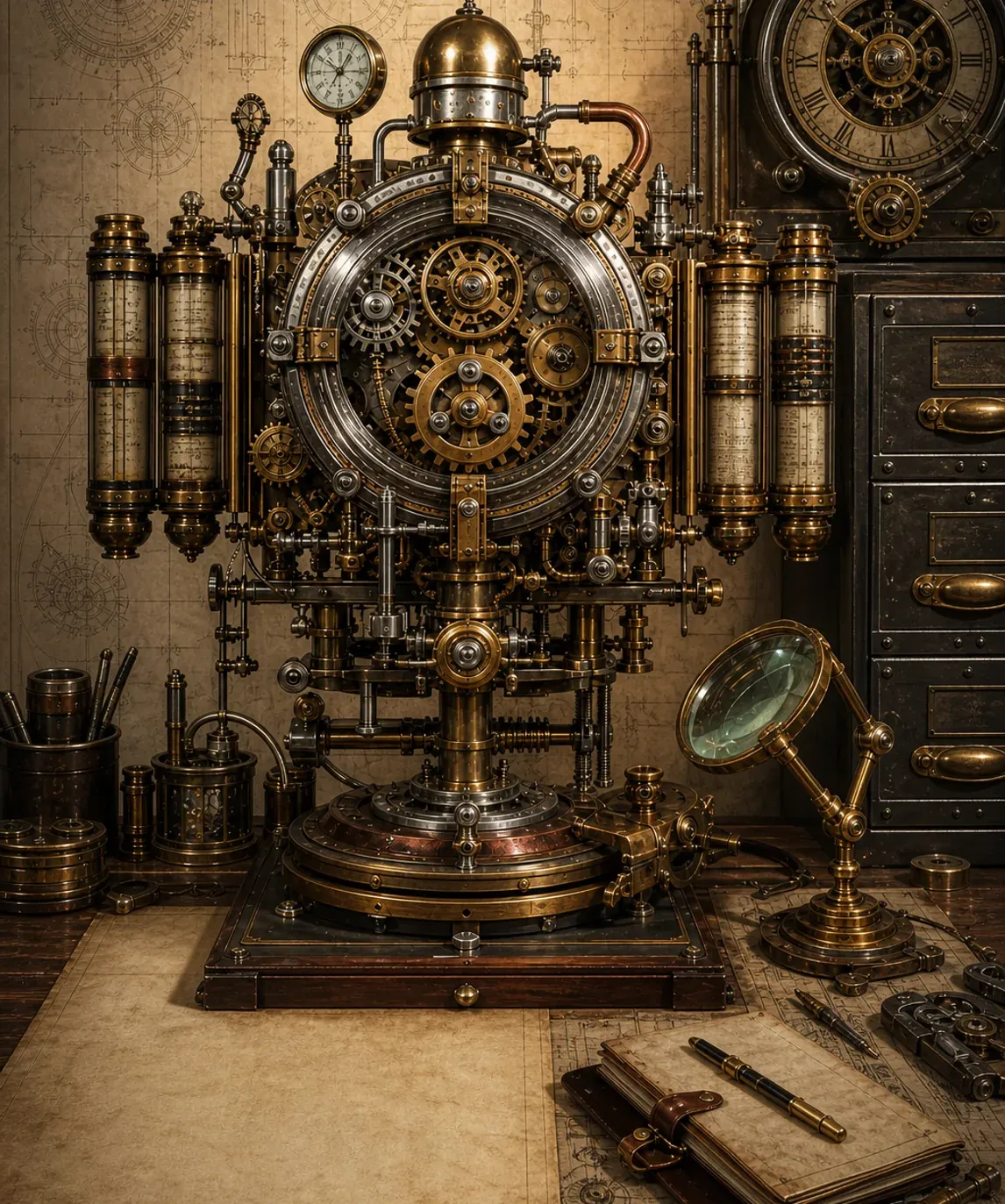
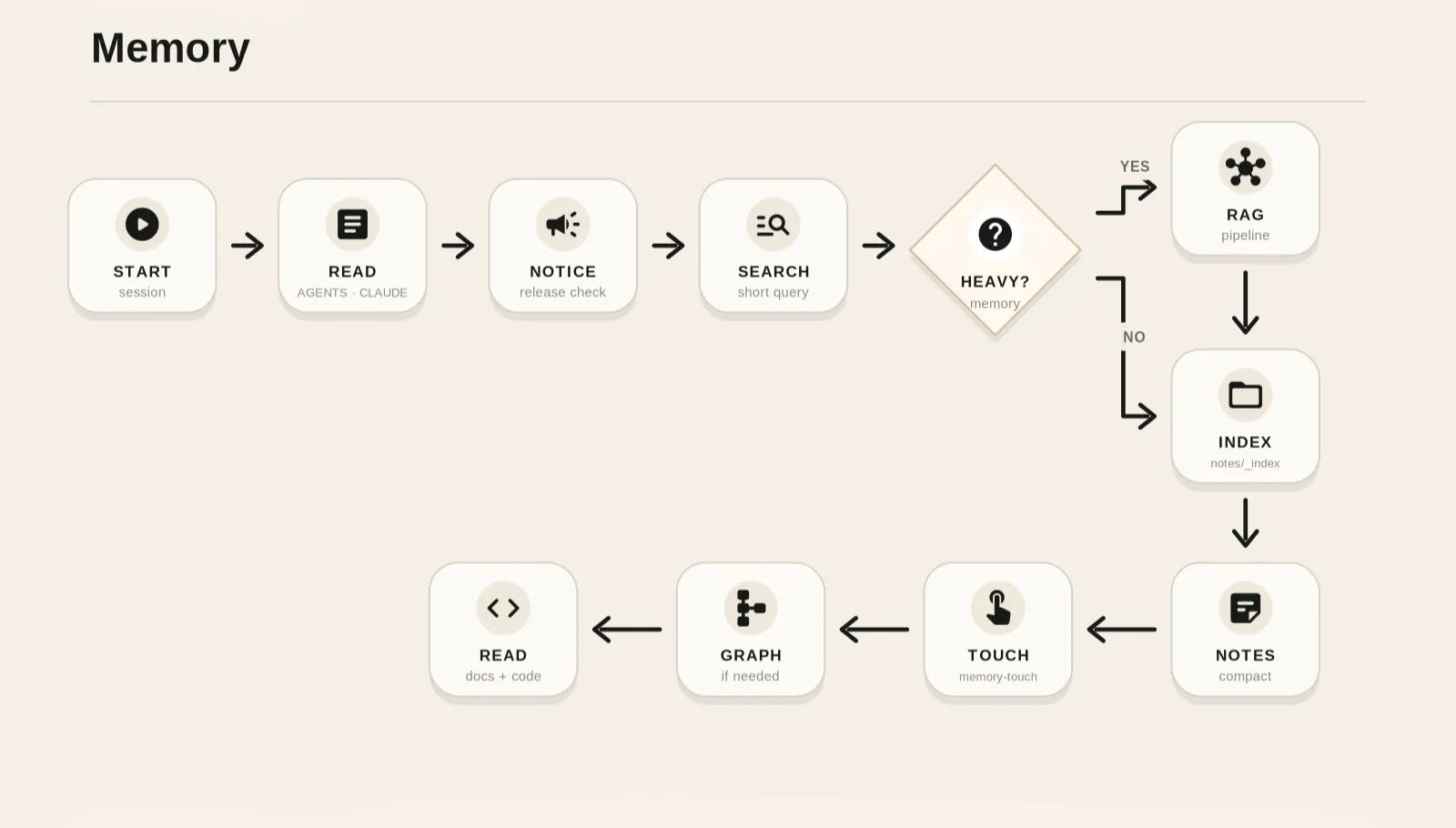
Archive cylinder
Compact semantic notes preserve durable project knowledge while traces remain audit evidence.
Remembering decisions, reloading context, searching prior work, and promoting trace evidence.
 Fable Harness
The Trace Engine
A system that teaches AI agents to organize memory context into traces and manageable notes.
Install the Fable-Harness skill (https://github.com/aao-sh/fable-harness) and run it to set up this workspace.Requires Python 3.9 or newer. The npm entry point launches the installer, but Python still runs under the hood.
Why use it
Large agent tasks fall apart when context lives only in chat. Fable Harness turns the workspace itself into the working surface: decisions, notes, traces, checks, and rollback plans live beside the project.
Chat-only memory disappears between sessions.
Unsupported claims creep into progress reports.
Plans drift away from files, tests, and evidence.
Rollback requests become too broad or destructive.
Main workflows
Each workflow turns an otherwise fuzzy agent behavior into a visible, reviewable project operation.
Archive cylinder
Compact semantic notes preserve durable project knowledge while traces remain audit evidence.
Remembering decisions, reloading context, searching prior work, and promoting trace evidence.
Drafting compass
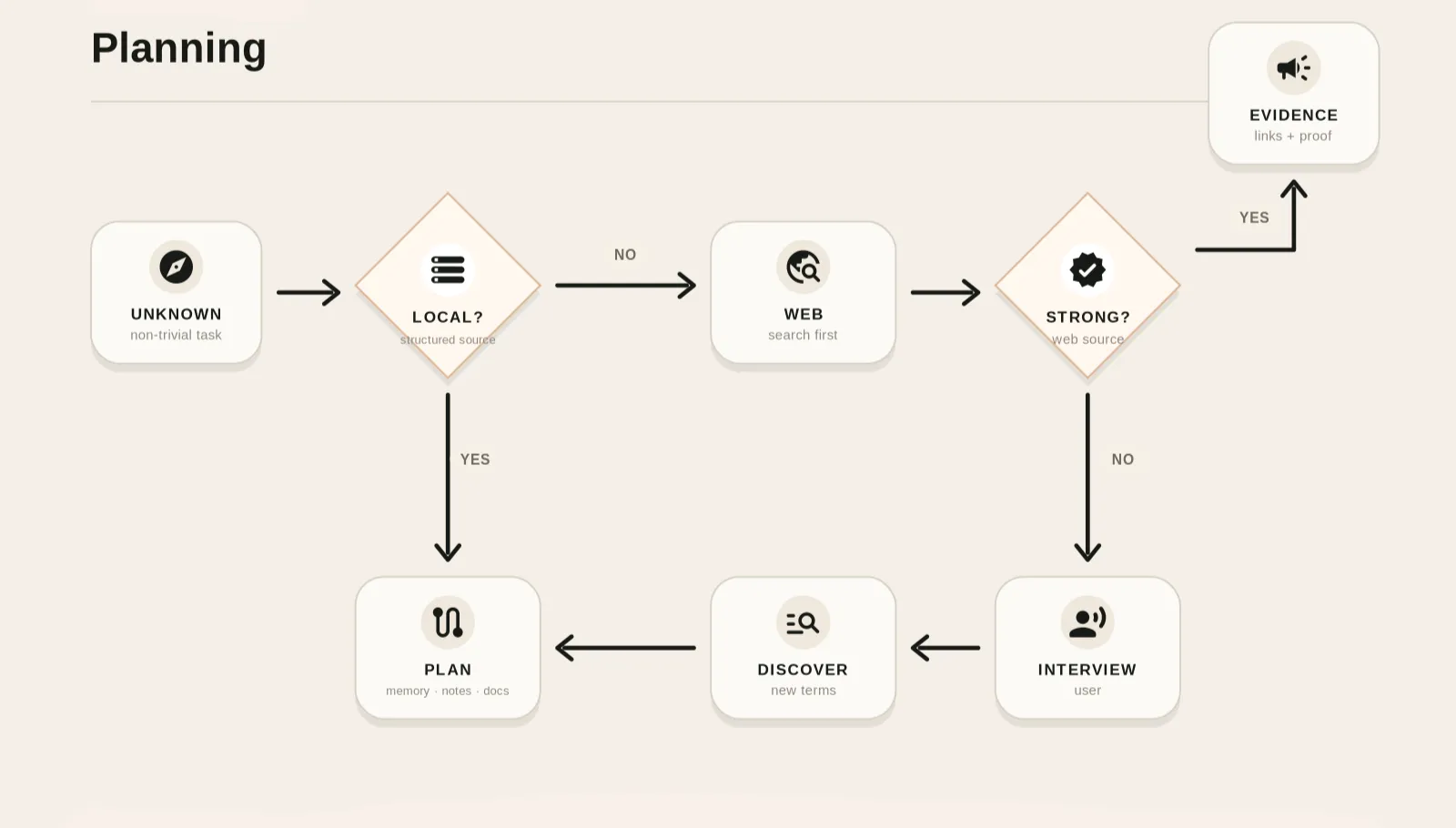
Plans start from instructions, notes, docs, source files, citations, and graph orientation.
Grounding work before implementation and interviewing the user only when local evidence is not enough.
Calibrated orrery
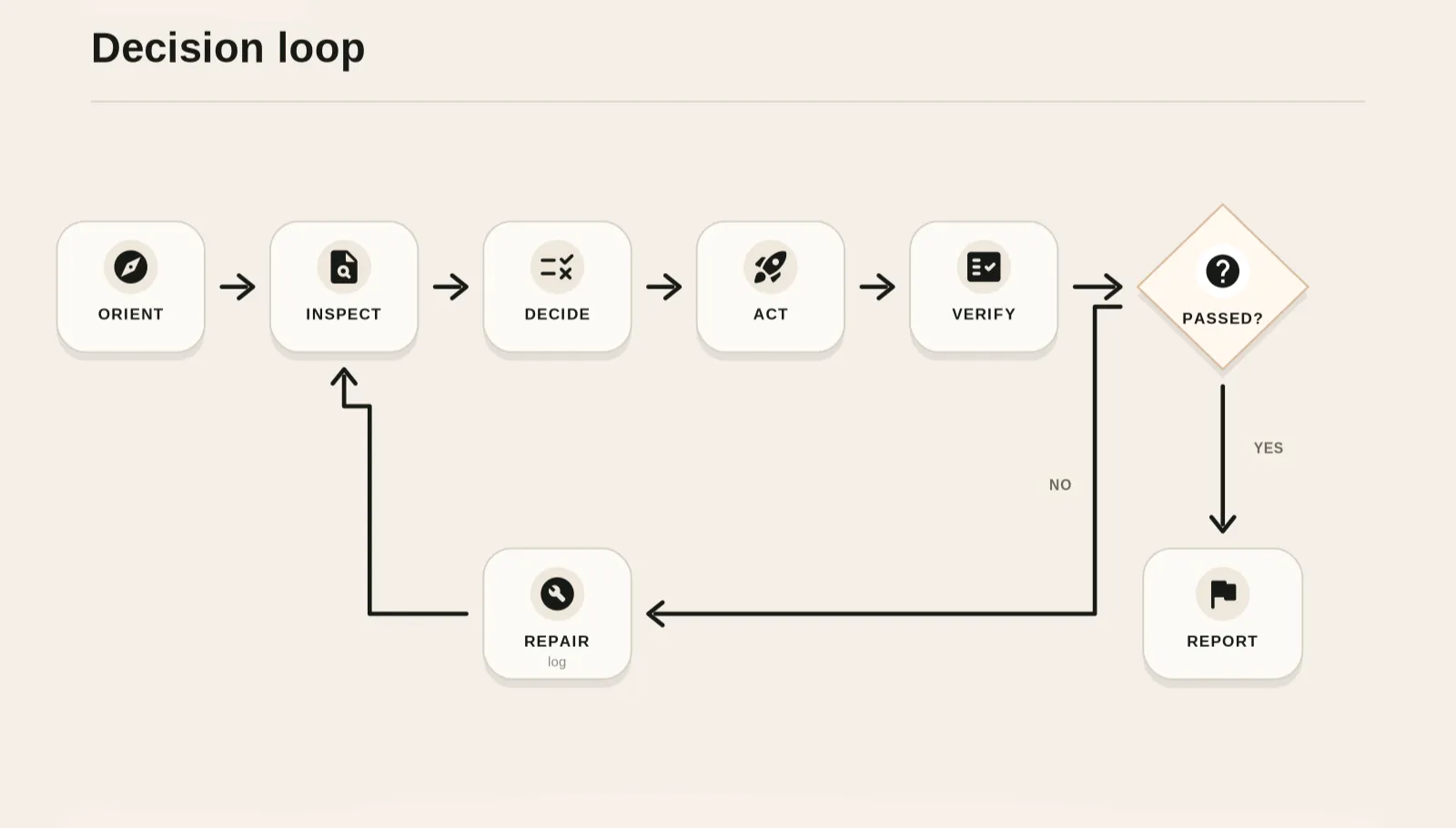
Orient, inspect, decide, act, verify, and report with explicit closure checks.
Non-trivial or mutating work where hidden process state would be risky.
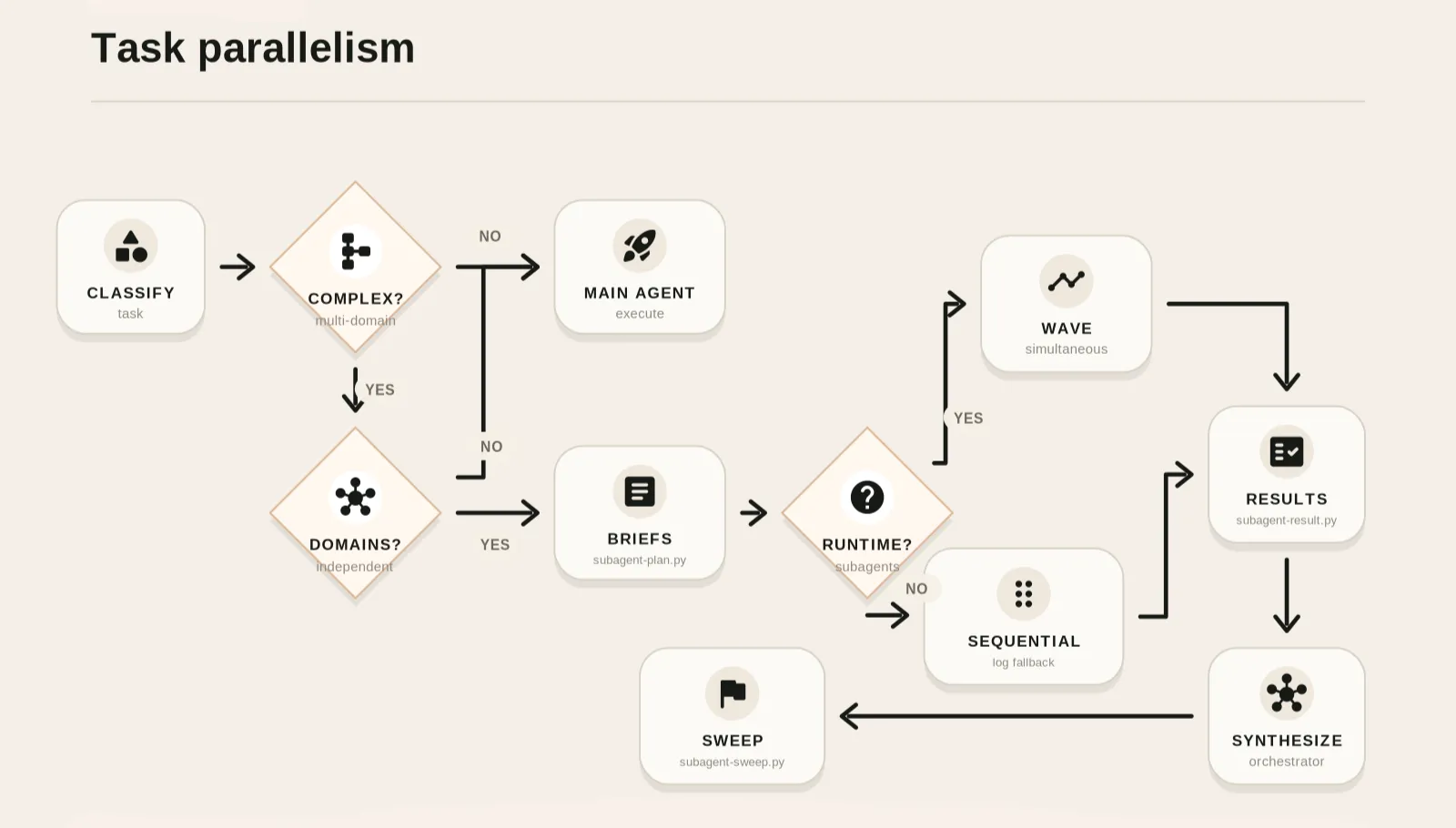
Split-drive governor
Independent domains can move in waves while dependent loop steps stay ordered.
Complex work across separate files, domains, or responsibilities.
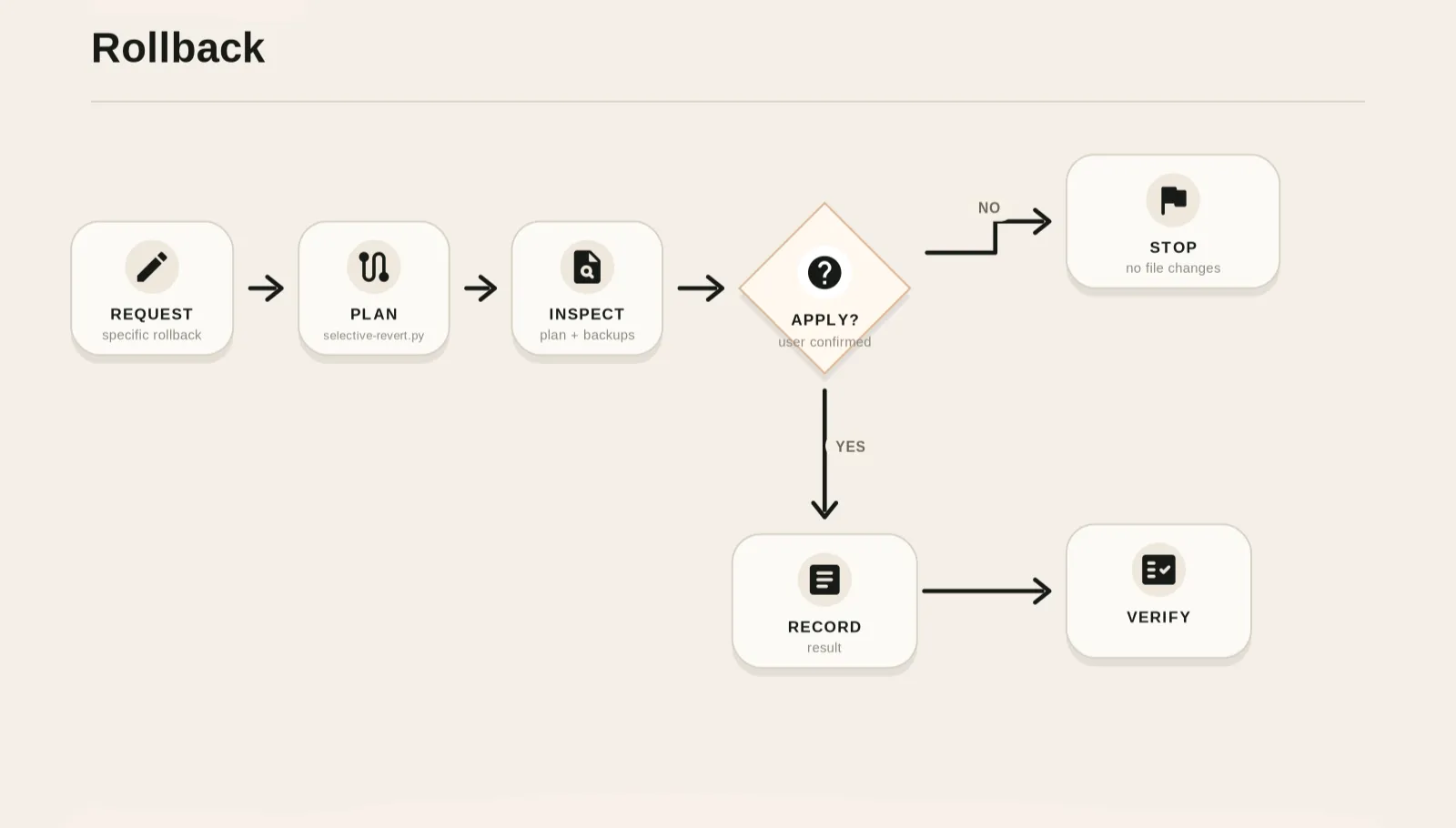
Reverse ratchet
Selective rollback plans, checkpoints, backups, and reverse patches keep unrelated work intact.
Undoing a file, hunk, or agent change without erasing unrelated progress.
Evidence loop
Load instructions, memory notes, docs, repo facts, and current state.
Read the files and surfaces that can answer discoverable questions.
Choose a scoped next move and record the reason when it matters.
Change only the relevant surface and preserve unrelated work.
Run commands before claiming behavior, coverage, or completion.
Separate evidence, decisions, limits, and remaining risk.
Community
Brief lock, visual alternatives, implementation from a selected direction, and UX/accessibility audit.
Mood boards, logo exploration, original steampunk art direction, and generative polish.
Componentized mockup, responsive layout review, design tokens, and handoff surfaces.
Optional derivative social cards or presentation material after the core site is done.
FAQ
It adds a project-local control layer for agent work: instructions, memory workflows, traces, plans, closure checks, and rollback discipline.
The README describes Codex, Claude Code, and compatible agents, with install targets for Codex, Claude, any AGENTS.md surface, both, or auto detection.
The installer can skip Superpowers, but the README marks that path as not recommended. The strongest workflow uses both.
Global memory can guide general preferences. Project-local memory stores decisions, traces, notes, and retrieval state inside the workspace where future agents can audit it.